← Back to Blog
Neighborhoods
Tampa Neighborhoods Guide: What Every Buyer and Seller Needs to Know in 2026
By Nina Windham, Licensed Realtor
The Somerday Group · DBPR# SL3542542
September 30, 2026 · 11 min read
Tampa is one of the most geographically diverse cities in Florida, and no single neighborhood tells the whole story. This Tampa neighborhoods guide breaks down the city's distinct areas by housing stock, price ranges, commute distances, and local character so you can zero in on the pockets that match your priorities, whether you are buying, selling, or relocating from out of state.
1. How Tampa's Neighborhoods Are Organized
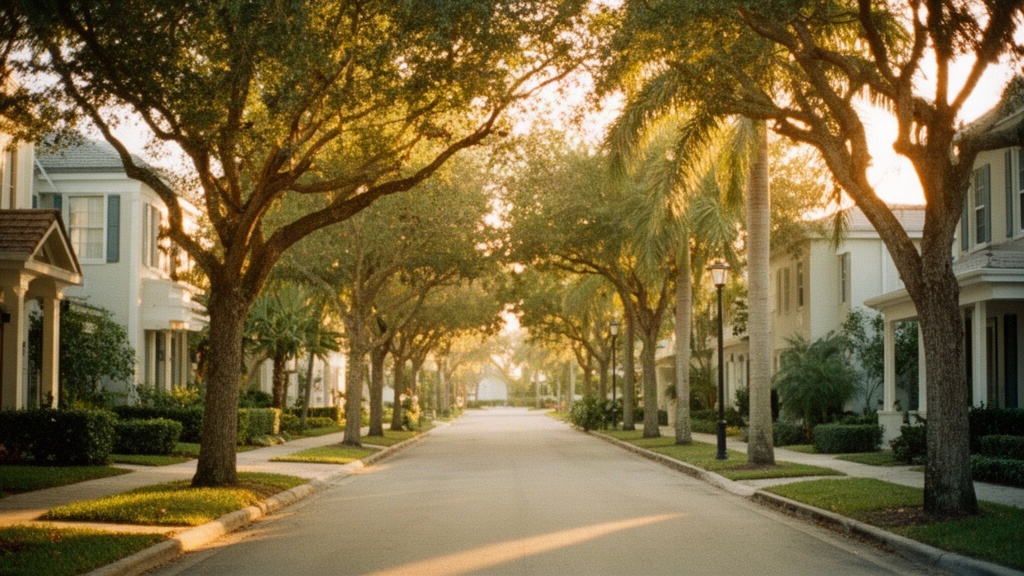
Tampa is not one neighborhood with variations. It is a city of genuinely distinct pockets, each with its own housing stock, price ceiling, street grid, and relationship to the water. Understanding the broad geography first makes every other comparison easier.
The Core Geography
Tampa sits at the top of Tampa Bay, with Hillsborough River cutting through its center from north to south. South Tampa occupies the peninsula between the bay and Old Tampa Bay, making it the most water-proximate part of the city. The inner ring neighborhoods, including Seminole Heights, Riverside Heights, and Ybor City, sit just north and east of downtown. The northwest corridor, anchored by Carrollwood and Westchase, is roughly 10 to 15 miles from downtown via Veterans Expressway. New Tampa and Temple Terrace occupy the northeastern quadrant, 15 to 20 miles from the urban core.
Why Neighborhood Boundaries Matter for Pricing
In Tampa, crossing one street can mean a price difference of $100 per square foot or more. The distinction between a South Tampa address and a Westshore address, for example, affects both listing price and appraised value. Flood zone designations, which vary block by block in many areas, add another layer. Buyers who understand these boundaries before they start touring homes avoid a lot of surprises at the offer stage. For a broader look at how the overall market is performing right now, the Tampa, FL Real Estate Market Guide on this site covers current pricing trends and inventory conditions across the city.
2. South Tampa: Waterfront Living and Historic Blocks
South Tampa is the city's most established residential area, and its price range reflects that. Median home prices in South Tampa as of September 2026 sit in the $650,000 to $750,000 range, though individual blocks in Hyde Park, Palma Ceia, and on Davis Islands push well above $1 million. The peninsula is roughly 3 to 5 miles from downtown Tampa, and most points in South Tampa are within a 15-minute drive of the central business district outside of peak hours.
Hyde Park and Palma Ceia
Hyde Park Village, the open-air retail and dining district along Snow Avenue and South Dakota Avenue, anchors the neighborhood's commercial core. Homes in Hyde Park proper are a mix of Craftsman bungalows, Mediterranean Revival cottages, and two-story colonials, most built between 1910 and 1950 on lots ranging from 5,000 to 8,000 square feet. Palma Ceia, just south of Hyde Park, is known for its canopy streets and larger lots, many in the 7,500 to 12,000 square foot range. The Palma Ceia Golf and Country Club sits near the center of the neighborhood and has been a fixture since 1916.
Bayshore Boulevard runs along the eastern edge of the South Tampa peninsula for about 4.5 miles, offering one of the longest continuous sidewalks in the United States. Properties directly on Bayshore command a significant premium, with single-family homes frequently listed above $2 million and waterfront condominiums ranging from $500,000 to well over $1.5 million.
Davis Islands and Bayshore Boulevard
Davis Islands is a man-made island community developed in the 1920s, sitting just off the eastern shore of the peninsula. The island has its own small commercial strip, a public airport for small aircraft, a public pool, and a seaplane basin. Lot sizes on Davis Islands are compact by South Tampa standards, typically 5,000 to 7,500 square feet, but the water views and island setting push median prices above $1.2 million. New construction on the island frequently exceeds $2 million.
Flood Zone Considerations in South Tampa
Flood zone designation is one of the most consequential variables for any South Tampa purchase. Much of the peninsula sits in FEMA flood zones AE or VE, which require federally backed flood insurance. Annual flood insurance premiums for South Tampa homes can range from $3,000 to $15,000 or more depending on the zone, the elevation certificate, and the structure. If you are considering a home near Davis Islands or along the waterfront, the detailed breakdown in the article on flood zones near Davis Islands and insurance costs is worth reading before you make an offer.
3. Seminole Heights, Riverside Heights, and the Inner Ring
The inner ring neighborhoods north of downtown offer some of Tampa's most architecturally distinctive housing at a lower price point than South Tampa. Seminole Heights, which stretches along Nebraska Avenue from Hillsborough Avenue down toward downtown, is known for its concentration of 1920s and 1930s bungalows, many with original hardwood floors, front porches, and oversized lots by urban standards. Median prices in Seminole Heights as of September 2026 are in the $380,000 to $450,000 range, though fully renovated homes on the best streets push closer to $550,000.
Bungalow Architecture and Lot Sizes
Lots in Seminole Heights commonly run 50 by 127 feet, giving buyers a meaningful backyard by inner-city standards. Riverside Heights, directly west of Seminole Heights along the Hillsborough River, has a slightly smaller inventory of homes but a comparable price range and similar architectural character. The Hillsborough River State Park is about 12 miles north, and Lowry Park, with its zoo and riverfront access, is less than 2 miles from most Seminole Heights addresses.
Commute and Connectivity
Seminole Heights sits about 3 to 5 miles from downtown Tampa, and most residents can reach the central business district in 10 to 20 minutes depending on the time of day. Florida Avenue and Nebraska Avenue are the primary north-south corridors. The neighborhood has no direct interstate access, so commuters heading to the airport or to Westshore typically use I-275, which is accessible within a few minutes of most addresses. The dining corridor along North Florida Avenue, including spots like Angry Chair Brewing and Ella's Americana Folk Art Cafe, has made the area a draw for people who want walkable evening options without paying South Tampa prices.
4. Carrollwood, Westchase, and the Northwest Corridor
The northwest corridor offers some of Tampa's most established suburban neighborhoods, with mature tree canopy, planned community infrastructure, and consistent resale demand. Carrollwood sits about 12 miles from downtown along Dale Mabry Highway, while Westchase is roughly 13 miles west of the urban core via Veterans Expressway. Both areas have been consistently popular with buyers who want suburban lot sizes and proximity to Tampa International Airport, which is about 8 to 10 miles from either neighborhood.
Planned Communities and Price Points
Westchase was developed primarily in the 1990s and early 2000s as a master-planned community with deed restrictions, community pools, tennis courts, and a town center along Linebaugh Avenue. Homes in Westchase range from roughly $450,000 for a three-bedroom villa to over $800,000 for a larger pool home on a conservation lot. Carrollwood has a broader range of housing stock, including 1970s ranch homes, 1980s two-stories, and more recent infill construction. Median prices in Carrollwood Village hover around $420,000 to $500,000 as of September 2026.
Getting Downtown from the Northwest
The Veterans Expressway (State Road 589) is the primary connector between Westchase and downtown Tampa, with tolls running roughly $3 to $5 each way depending on entry and exit points. During morning rush hour, the drive from Westchase to downtown typically takes 25 to 40 minutes. Carrollwood commuters on Dale Mabry can expect similar times, though Dale Mabry has more traffic signal interruptions than the expressway. Both areas have park-and-ride options along the HART bus network for those who prefer not to drive.
5. New Tampa, Temple Terrace, and the Northern Edge
New Tampa and Temple Terrace represent the city's northeastern growth corridor, where buyers typically get more square footage per dollar than anywhere else within Tampa city limits. New Tampa, anchored by the intersection of Bruce B. Downs Boulevard and Cross Creek Boulevard, is roughly 18 to 22 miles from downtown and sits adjacent to Wesley Chapel to the north. Temple Terrace is an incorporated city within Hillsborough County that borders New Tampa to the south and is about 10 miles from downtown.
Master-Planned Development
New Tampa was largely built out in the late 1990s through the 2010s in planned subdivisions with community amenities, retention ponds, and HOA governance. Communities like Heritage Isles, Cory Lake Isles, and K-Bar Ranch each have their own clubhouses, pools, and in some cases boat access to interior lakes. The area has a high concentration of newer construction, with many homes built after 2000 featuring open floor plans, tile roofs, and two to three-car garages.
Price Ranges and Housing Types
Median prices in New Tampa as of September 2026 are in the $400,000 to $480,000 range for single-family homes, with larger homes in gated communities reaching $600,000 to $700,000. Temple Terrace has a different character, with mid-century ranch homes on larger lots, some dating to the 1950s, and median prices closer to $330,000 to $380,000. For a deeper look at this corridor, the New Tampa Real Estate Market Guide covers pricing, inventory, and timing in detail.
6. Ybor City, Channel District, and Downtown-Adjacent Areas
The neighborhoods immediately surrounding downtown Tampa have been among the most active in terms of new development and population growth over the past decade. Ybor City, the Channel District, and the areas directly east and south of the central business district offer a mix of historic structures, adaptive reuse projects, and new high-rise construction that you will not find anywhere else in the Tampa neighborhoods guide.
Historic Ybor City
Ybor City, designated a National Historic Landmark District, was Tampa's cigar manufacturing hub in the late 19th and early 20th centuries. The neighborhood's brick-paved streets, wrought-iron balconies, and historic cigar worker cottages give it an architectural identity unlike anywhere else in the city. Residential options include renovated shotgun-style homes, loft conversions in former factory buildings, and newer townhomes along the edges of the district. Prices for single-family homes in Ybor City range from roughly $280,000 for smaller unrenovated cottages to $500,000 or more for fully updated properties. The area is about 1.5 miles from downtown Tampa's central business district.
Channel District and Waterfront Growth
The Channel District, directly south of downtown along the cruise ship port, has transformed over the past 15 years from a largely industrial area into a dense residential neighborhood anchored by Sparkman Wharf and the Tampa Riverwalk. Condominiums are the dominant housing type here, with units in buildings like Ventana and The Place at Channelside ranging from $350,000 for a one-bedroom to over $700,000 for larger two-bedroom units with water views. Forbes has covered how this waterfront corridor is raising the bar for health and wellness-oriented urban living, a trend that has continued to shape buyer interest in the area through 2026.
7. What to Compare Across Tampa Neighborhoods Before You Decide
No Tampa neighborhoods guide is complete without a framework for comparison. Once you have a sense of which areas interest you, these are the three variables that most consistently separate a good purchase from a costly one in this market.
Price Per Square Foot
As of September 2026, price per square foot across Tampa neighborhoods varies significantly. South Tampa and Davis Islands run $400 to $600 or more per square foot for updated single-family homes. Hyde Park condominiums and Channel District units average $350 to $450 per square foot. Seminole Heights and Riverside Heights typically fall in the $260 to $320 range. Carrollwood and Westchase land in the $220 to $280 range. New Tampa and Temple Terrace offer the lowest per-square-foot costs within city limits, generally $190 to $240. These figures shift with condition, lot size, and proximity to water, but they give a reliable starting framework.
Flood Zone and Insurance Costs
Flood zone designation affects monthly carrying costs as much as interest rate changes do, yet many buyers overlook it until they are under contract. South Tampa, Davis Islands, and parts of the Channel District carry the highest flood risk and the highest insurance premiums. Carrollwood, Westchase, New Tampa, and Temple Terrace are predominantly in Zone X, which carries minimal flood risk and typically does not require flood insurance at all. Always request the elevation certificate and FEMA flood map designation before making an offer on any Tampa property, particularly in the southern and waterfront areas.
Commute Realities
Tampa does not have a rail transit system that connects residential neighborhoods to the employment core, so commute time is almost entirely a function of road distance and traffic. South Tampa and the inner ring neighborhoods offer the shortest drives to downtown, typically 10 to 20 minutes. The northwest corridor adds 15 to 20 minutes in normal traffic. New Tampa, at 18 to 22 miles out, can mean 35 to 50 minutes during peak hours on I-75. For buyers coming from areas like Riverview even further out, the commute picture changes considerably; the article on the Riverview to downtown Tampa commute during morning rush hour gives a realistic picture of what that drive actually looks like.
For buyers who work in the Westshore business district rather than downtown, the calculus shifts. Westchase and Carrollwood are closer to Westshore than they are to downtown, which makes the northwest corridor more competitive on commute time than its distance from the urban core might suggest.
Tampa's walkability has improved meaningfully in recent years, particularly along the Riverwalk corridor and in Ybor City, and that trend continues to attract buyers who want urban convenience. For context on how walkability is reshaping buyer demand in the city, Forbes has documented Tampa's walkability investments and their effect on the real estate market, a shift that is still playing out across the downtown-adjacent neighborhoods in 2026.
FAQ
Which Tampa neighborhoods have the lowest home prices right now?
As of September 2026, Temple Terrace and parts of Ybor City offer the lowest entry points within Tampa city limits, with median prices in the $280,000 to $380,000 range depending on the street and condition of the home. New Tampa's older sections also offer competitive pricing relative to the square footage you receive. These areas have different architectural characters and commute distances from downtown, so the right choice depends on your priorities rather than price alone. Reviewing current active listings in each area alongside the price-per-square-foot data gives the clearest picture of value.
Do I need flood insurance in all Tampa neighborhoods?
No. Flood insurance requirements vary significantly across Tampa's neighborhoods. South Tampa, Davis Islands, the Channel District, and waterfront areas along the bay are frequently in FEMA flood zones AE or VE, which require flood insurance for federally backed mortgages and carry meaningful annual premiums. Carrollwood, Westchase, New Tampa, and Temple Terrace are predominantly in Zone X, where flood insurance is generally not required and flood risk is considered minimal. You should always check the FEMA Flood Map Service Center and request an elevation certificate for any specific property before making a purchase decision, regardless of which neighborhood it is in.
How do I research schools in a Tampa neighborhood I am considering?
School research is a personal process that each buyer should conduct independently using objective sources. The Florida Department of Education publishes school accountability reports and performance data at fldoe.org, and the Hillsborough County Public Schools website at sdhc.k12.fl.us provides boundary maps, enrollment information, and program details for every school in the district. Because school assignments can change with boundary redistricting, it is worth confirming the assigned school directly with the district rather than relying on a map from a listing website, which may not reflect the most current boundaries. These are decisions worth researching directly rather than relying on secondhand characterizations.