
← Back to Blog
Market Trends
Tampa, FL This Year Real Estate Market Guide: Prices, Neighborhoods and Timing
By Nina Windham, Licensed Realtor
The Somerday Group · DBPR# SL3542542
September 25, 2026 · 11 min read
The Tampa, FL real estate market in 2026 looks meaningfully different from the frenzy of the pandemic years, and understanding those shifts can save you real money whether you are buying, selling, or relocating. This guide covers current prices across Tampa's distinct submarkets, what the inventory picture looks like right now, and how to time your move in a market that has rebalanced but not collapsed. If you want a clear, honest read on where Tampa stands this September, keep reading.
1. Where Tampa Home Prices Stand Right Now
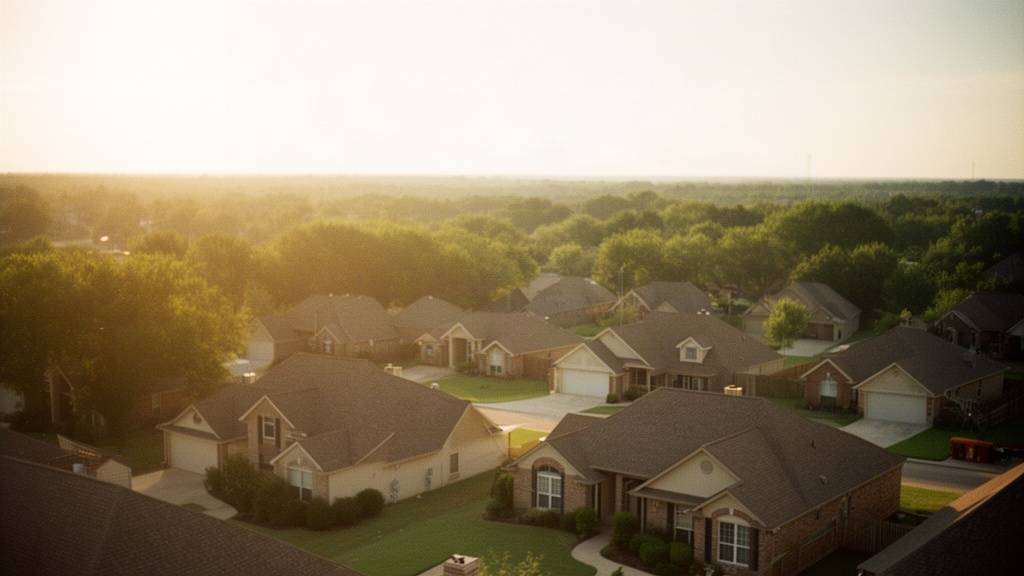
Tampa's median single-family home price sits at approximately $415,000 in September 2026. That figure represents a modest pullback from the 2022 peak but remains roughly 40 percent above where prices were before the pandemic. The market did not crash; it corrected and then stabilized, which is the defining story of Tampa real estate this year.
Citywide Median and Price Trends
Condos and townhomes tell a different story. The condo segment has faced additional pressure in 2026 because of Florida's updated condominium safety law, which requires buildings three stories and taller to complete structural inspections and fund reserves by specific deadlines. Many older condo associations have passed along significant special assessment costs or raised monthly fees sharply, pushing some buyers toward single-family homes instead. Tampa condo medians have dipped closer to $310,000 to $330,000 depending on location and building age.
New construction has remained active in Tampa's outer corridors, particularly in New Tampa along the Bruce B. Downs corridor and in the Westshore business district where mid-rise residential projects have continued to deliver units. Those new builds carry premiums, often in the $480,000 to $600,000 range for single-family homes, but they also come with builder warranties and modern flood-mitigation construction standards that older Tampa homes may lack.
How 2026 Compares to the Pandemic Peak
At the 2022 peak, Tampa's median single-family price briefly touched $450,000 to $460,000 in some reporting periods. The correction that followed was gradual rather than dramatic, and prices found a floor in late 2023 before edging upward again through 2024 and into 2025. As HousingWire has documented, the pandemic-era boom left a lasting imprint on Sun Belt markets like Tampa, where remote-work migration inflated values faster than local income growth could support. The result in 2026 is a market that is more balanced than it was in 2021 but still expensive relative to 2019 benchmarks.
2. Tampa Neighborhood Price Breakdown
Tampa's submarkets vary dramatically in price, housing stock, and what you get for your dollar. Knowing the differences before you start touring homes will save you weeks of confusion and prevent you from comparing properties that are not actually competing with each other.
Inner Tampa Submarkets
Hyde Park and Palma Ceia sit at the upper end of the inner-city market, with bungalows and Craftsman homes from the 1920s through the 1940s regularly trading between $700,000 and $1.4 million depending on lot size, renovation quality, and proximity to Bayshore Boulevard. For a deeper look at that submarket specifically, the Hyde Park Tampa real estate market guide covers pricing and timing in much more detail.
Seminole Heights, which runs along Florida Avenue north of downtown, features a dense concentration of early-20th-century bungalows on smaller lots, typically 50 by 100 feet to 60 by 120 feet. Median prices in Seminole Heights range from roughly $360,000 to $480,000 in September 2026, with renovated homes on the high end and original-condition properties offering more room to negotiate. The neighborhood sits about two miles from Armature Works and the Riverwalk, and the commute to downtown Tampa covers roughly three to five miles depending on your specific block.
Davis Islands is a man-made island community off the western edge of downtown, with a mix of Mediterranean Revival and mid-century homes on waterfront and interior lots. Prices range from around $900,000 for a non-waterfront home to well over $3 million for deep-water access properties. Flood insurance is a real budget line on Davis Islands, and buyers should factor that into their monthly payment calculations before falling in love with a listing.
Suburban and Corridor Markets
Carrollwood, located about 12 miles north of downtown along Dale Mabry Highway, offers a range of single-family homes built primarily between the 1970s and the 1990s. Median prices in Carrollwood currently run from $380,000 to $500,000, with larger homes on the Carrollwood Village golf course commanding the top of that range. The area gives buyers more square footage per dollar than South Tampa or Hyde Park, along with larger lots that often run a quarter acre or more.
Westchase, positioned along the Veteran's Expressway corridor about 14 miles northwest of downtown, is a master-planned community with deed restrictions, two golf courses, and a town center. Homes here range from around $450,000 for a three-bedroom villa to over $800,000 for a larger single-family home on a pond or golf course lot. The community's HOA structure keeps common areas maintained and enforces consistent exterior standards, which affects both the look of the neighborhood and the ongoing monthly cost of ownership.
New Tampa and the Wesley Chapel corridor, running northeast along I-75 toward Pasco County, have seen the most active new construction in the greater Tampa area. Established resale homes in New Tampa neighborhoods like Hunter's Green and Pebble Creek typically sell in the $420,000 to $600,000 range, while new builds in nearby Wesley Chapel can push past $650,000 for larger floor plans. The commute from New Tampa to downtown Tampa covers roughly 18 to 22 miles and runs 30 to 45 minutes during morning rush hour on I-75.
3. Inventory, Days on Market, and Seller Conditions
Tampa's active inventory has risen significantly compared to 2021 and 2022, giving buyers more options and more time to make decisions. The market is not a buyer's market in the traditional sense, but it is no longer the extreme seller's market where homes received a dozen offers in 48 hours. The current environment rewards preparation and patience from both sides of the transaction.
What the Supply Numbers Mean for You
Hillsborough County, which contains Tampa proper, is currently sitting at roughly 3.5 to 4 months of supply for single-family homes as of September 2026. A balanced market is generally considered to be around five to six months of supply, so Tampa still leans slightly toward sellers overall. However, that aggregate number masks meaningful differences by price point: the sub-$400,000 segment moves faster, often under 30 days, while homes priced above $700,000 can sit for 60 to 90 days or longer before finding a buyer.
Average days on market for Tampa single-family homes is running around 45 to 55 days right now, up from the 10 to 15 days seen at the 2022 peak. That extra time on market means buyers have room to conduct thorough inspections, request repairs, and negotiate on price without the panic of losing a home to a competing offer the same afternoon. Sellers, meanwhile, need to price carefully from day one because overpriced listings are accumulating days and then requiring reductions.
Price Reductions and Negotiating Room
Florida is among the states where price reductions have become notably common in 2026. Reporting from HousingWire found that nearly one in two home listings in Florida had cut prices at a given point, a figure that reflects both elevated insurance costs and sellers who initially priced based on 2022 expectations rather than 2026 reality. In Tampa specifically, buyers who find a home that has been sitting for 30 or more days often have meaningful room to negotiate, sometimes 3 to 5 percent off the list price plus seller concessions toward closing costs.
Seller concessions have made a real comeback in Tampa this year. It is increasingly common for sellers to contribute toward the buyer's closing costs, buy down the buyer's mortgage rate for the first year or two, or credit the buyer for repairs identified during inspection. If you want a full picture of what those closing costs look like as a buyer, the closing costs guide for Tampa buyers breaks down every line item you should expect.
4. Timing the Tampa Market: Buyer and Seller Strategy for 2026
Timing matters in Tampa's market, but it matters differently depending on which side of the transaction you are on. The seasonal patterns that shape Tampa real estate are distinct from northern markets, and understanding them gives you a real strategic edge.
Best Windows for Buyers
September through November is historically one of the stronger windows for Tampa buyers, and that holds true in 2026. Snowbird and seasonal demand has not yet returned in force, competition from other buyers is lower than in the spring, and sellers who have been on the market since June or July are often motivated to close before year-end. You are shopping right now in one of the more favorable buyer windows of the year.
January through April brings the heaviest competition in Tampa. Seasonal residents from the Northeast and Midwest arrive, relocation buyers tend to time moves around spring school calendars, and new listings hit the market in volume, creating a busy period where multiple offers can still occur on well-priced homes. If you plan to buy in the spring, get pre-approved and start your search in December or January so you are not scrambling when the market heats up.
What Sellers Should Know Right Now
Sellers who price accurately from the start are still selling in Tampa; sellers who price based on what their neighbor got in 2022 are sitting on the market and eventually reducing. The gap between list price and sold price has widened compared to the pandemic years, and buyers are more willing to walk away from an overpriced home now that they have other options to consider.
Presentation matters more than it did in 2021. When buyers had five competing offers on a property, they were willing to overlook deferred maintenance and dated finishes. Today, a home that shows well, is priced correctly, and has a clean inspection report will outsell a comparable home that does not on every metric: days on market, final sale price, and number of contingencies the seller has to navigate. For sellers who want to understand what drives the highest sale price in Tampa, the article on who consistently gets sellers the highest sale price in Tampa is worth reading before you list.
If you are listing in the fall of 2026, consider the fact that Tampa's hurricane season runs through November. Buyers who are already nervous about Florida insurance costs will scrutinize a home's roof age, wind mitigation features, and flood zone designation more carefully than ever. Having a current wind mitigation inspection report and a 4-point inspection ready at listing can remove friction and speed up the contract-to-close timeline.
5. Mortgage Rates, Affordability, and What to Budget
Mortgage rates are the single biggest variable shaping Tampa affordability in 2026, and they remain elevated compared to the historic lows of 2020 and 2021. Understanding the full monthly cost of ownership, not just the purchase price, is essential before you make an offer.
Rate Environment in September 2026
Thirty-year fixed mortgage rates are currently running in the mid-to-upper 6 percent range as of September 2026, with well-qualified borrowers occasionally locking in closer to 6.25 percent and higher-risk profiles landing above 7 percent. That is meaningfully higher than the sub-3-percent rates that drove the 2021 buying frenzy, which is one reason monthly payments on a $415,000 home today are substantially higher than they would have been on a $350,000 home in 2021 even though the purchase price difference seems manageable.
On a $415,000 purchase with 10 percent down and a 6.5 percent rate, the principal and interest payment alone is approximately $2,360 per month. Add property taxes at roughly 1.0 to 1.1 percent of assessed value annually, homeowners insurance that has risen sharply across Florida in recent years, and potentially flood insurance if the property sits in a Special Flood Hazard Area, and the total monthly housing cost can easily reach $3,200 to $3,800 depending on the specific property and its insurance requirements.
True Cost of Buying in Tampa This Year
Insurance is the budget line that surprises the most Tampa buyers in 2026. Homeowners insurance premiums in Florida have increased dramatically over the past three years as carriers have exited the state or repriced risk. A home in a non-flood zone in Carrollwood or New Tampa might carry annual premiums of $4,000 to $6,000, while a property in a coastal or low-lying flood zone in South Tampa or on one of the bay-front streets can require separate flood policies that add $2,000 to $8,000 or more per year.
Buyers relocating to Tampa from out of state are often the most caught off guard by the insurance picture, because Florida's market is genuinely unlike most other states. If you are moving from another state and trying to make sense of Tampa's neighborhoods, costs, and what to expect in the process, the guide on relocating to Tampa from out of state covers all of this in detail, including insurance, taxes, and neighborhood-by-neighborhood cost comparisons.
One strategy buyers are using in 2026 is negotiating seller concessions to buy down their mortgage rate. A temporary or permanent rate buydown funded by the seller can reduce your monthly payment by $150 to $300 per month in the early years of the loan, which makes a real difference in monthly cash flow while rates remain elevated. Ask your lender to model a 2-1 buydown or a permanent point buydown before you finalize your offer strategy.
FAQ
Is Tampa a buyer's market or a seller's market right now in September 2026?
Tampa sits in a transitional zone that leans slightly toward sellers in the aggregate, but the answer depends heavily on price point and neighborhood. Homes priced below $400,000 in established areas like Seminole Heights or parts of Carrollwood still move quickly and can attract multiple offers. Homes above $700,000, particularly condos facing new reserve requirement costs, give buyers significantly more negotiating room. The overall supply of roughly 3.5 to 4 months puts Tampa just below the balanced threshold of 5 to 6 months, so sellers still hold a modest edge in most segments, but it is not the extreme market of 2021 and 2022.
What is the best time of year to buy a home in Tampa?
September through November is historically one of the more favorable windows for buyers in Tampa, and that pattern holds in 2026. Seasonal and snowbird demand has not yet returned, competition from other buyers is lower than in the spring, and sellers who have been on the market since summer are often motivated to close before the end of the year. The busiest and most competitive period for buyers is January through April, when relocation demand, seasonal residents, and spring inventory all converge. If you can be ready to move in the fall, you are likely to face less competition and have more leverage on price and terms than you would in February or March.
How much do homeowners insurance and flood insurance add to monthly costs in Tampa?
Insurance is one of the most significant and often underestimated budget items for Tampa home buyers in 2026. Homeowners insurance for a non-flood-zone property in Tampa typically runs $4,000 to $6,000 per year, though older homes or those with aging roofs can push higher. Properties in FEMA-designated Special Flood Hazard Areas require separate flood insurance policies, which can add anywhere from $2,000 to over $8,000 annually depending on the property's elevation, flood zone designation, and the amount of coverage purchased. Buyers should request a flood zone determination and get insurance quotes before going under contract, not after, so that the full monthly cost is part of the financial decision rather than a surprise at closing.