
← Back to Blog
Market Trends
What Has Been Happening with the Tampa Housing Market in 2026 and Is It Still a Seller's Market or Has It Shifted?
By Nina Windham, Licensed Realtor
The Somerday Group · DBPR# SL3542542
September 25, 2026 · 10 min read
The Tampa housing market in 2026 looks meaningfully different from the frenzied conditions of 2022 and 2023, and buyers and sellers alike are trying to figure out exactly where things stand right now. Inventory has climbed, price cuts have become more common, and the pace of sales has slowed, but that does not mean the market has fully flipped. This article breaks down what the data actually shows, what it means for your next move, and how conditions vary across Tampa's distinct submarkets.
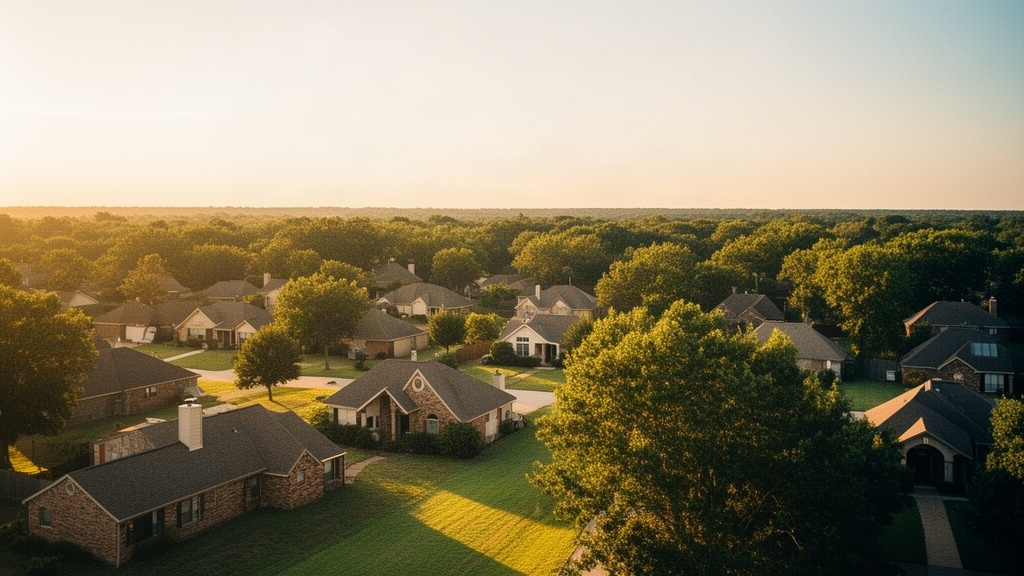
1. How the Tampa Housing Market Has Changed in 2026
The short answer: Tampa's housing market in 2026 has shifted toward more balanced conditions compared to the past few years, though it has not become a full buyer's market across the board. Prices have softened in some segments, inventory has grown, and sellers are negotiating more than they were in 2022 or 2023. But demand has not collapsed, and well-priced homes in strong locations still move.
Where Prices Stand Right Now
As of September 2026, the median sale price for a single-family home in the Tampa metro area sits in the range of $390,000 to $415,000, depending on the submarket and data source. That represents a modest pullback from the peak years, but prices are still roughly 35 to 40 percent above where they were in early 2020. Condominiums have seen more pronounced softening, particularly in buildings where HOA fees and special assessments have climbed sharply following Florida's new structural inspection requirements.
Hillsborough County as a whole has seen list prices stabilize after the rapid appreciation of prior years. In the city of Tampa proper, the median sits closer to $420,000 for detached homes, while attached townhomes and condos are tracking lower, often in the $280,000 to $350,000 range depending on the building and location.
How Inventory Has Shifted
Active inventory in the Tampa Bay area has risen considerably compared to September 2025. Months of supply, which measures how long it would take to sell all current listings at the current pace of sales, has moved from well under two months during the peak seller's market to somewhere between three and five months in many Tampa zip codes as of this month. Nationally, six months of supply is considered a balanced market, so Tampa is still leaning toward sellers in most areas, but the gap has narrowed.
The condo segment tells a different story. Some Tampa condo buildings are sitting with five to eight months of supply or more, driven by a combination of higher HOA fees, insurance surcharges, and buyer hesitancy following the Surfside collapse legislation. If you are tracking the Tampa housing market in 2026 and trying to understand the shift, the condo versus single-family divide is one of the clearest fault lines.
2. Is Tampa Still a Seller's Market or Has It Shifted to Buyers?
Tampa is no longer a classic seller's market, but it has not become a buyer's market either. The most accurate description for September 2026 is a transitional or moderately balanced market, with meaningful variation by price point, property type, and neighborhood. Sellers who priced aggressively based on 2022 comps are sitting on the market. Sellers who priced accurately relative to current conditions are still closing at or near list price.
What the Days-on-Market Numbers Tell Us
Median days on market in Tampa has stretched to roughly 45 to 60 days for many listings as of September 2026, up from under 20 days at the height of the seller's market in 2022. That extra time is significant. It means buyers have room to schedule inspections without waiving them, negotiate on price or concessions, and compare multiple properties before committing. A year ago, that kind of breathing room was rare.
Homes priced under $400,000 in established Tampa neighborhoods still tend to move faster, often within two to three weeks if they show well and are priced correctly. The slowdown is most visible in the $600,000 to $900,000 range, where buyer pools are thinner and carrying costs are higher.
Price Reductions Are Up Across Florida
Florida has become one of the states with the highest share of listings receiving price cuts. According to reporting from HousingWire, nearly one in two home listings in Florida have seen price reductions, placing the state alongside Arizona at the top of that list nationally. Tampa is not immune to this trend. Sellers who listed in the spring of 2026 hoping for a bidding war frequently found themselves reducing asking prices by late summer.
Price reductions do not necessarily mean prices are crashing. They often reflect sellers catching up to where the market already was. When a home that was listed at $525,000 sells at $499,000 after a reduction, that is the market correcting an overpriced listing, not a sign that values have fallen dramatically.
3. How Conditions Vary Across Tampa's Submarkets
Tampa is not one monolithic market. Conditions in Hyde Park look different from conditions in Seminole Heights, which look different from New Tampa or Westchase. Understanding those differences is essential whether you are buying, selling, or relocating.
South Tampa and Hyde Park
South Tampa, including the Hyde Park and Palma Ceia corridors, continues to hold value more firmly than many other parts of the city. The housing stock here includes a mix of early 20th century bungalows, post-war ranches, and newer infill construction, with single-family homes frequently priced between $600,000 and well over $1.5 million depending on the street and lot size. Proximity to Bayshore Boulevard, Hyde Park Village, and the waterfront keeps demand steady. Inventory is up compared to 2025, but absorption rates remain relatively healthy.
If you are researching the South Tampa or Hyde Park segments specifically, Nina Windham has written a detailed breakdown of the Hyde Park Tampa real estate market that covers pricing trends, lot sizes, and what buyers are competing for right now.
Seminole Heights and Riverside Heights
Seminole Heights and neighboring Riverside Heights feature some of Tampa's most distinctive Craftsman bungalows and Spanish Revival cottages, many built between 1910 and 1940. Lot sizes in this area typically run 50 by 120 feet to 60 by 135 feet. Median prices in Seminole Heights have settled into the $330,000 to $420,000 range for move-in ready single-family homes, with significant variation based on renovation quality and proximity to the Hillsborough River.
This submarket has seen more price sensitivity in 2026 than South Tampa. Homes that need work are sitting longer, and buyers are negotiating more aggressively on inspection findings. Sellers in Seminole Heights who invest in pre-listing updates, particularly kitchens, bathrooms, and roof certifications, are still achieving strong results.
New Tampa and Wesley Chapel Adjacent Areas
The northern corridors of Tampa, including New Tampa and the communities that border Wesley Chapel along I-75, have a large share of planned subdivision homes built between 1995 and 2015. Prices here generally range from $350,000 to $550,000 for four-bedroom homes with two-car garages, depending on the community and lot. New construction competition from Wesley Chapel has put downward pressure on resale prices in some of these zip codes, as buyers can sometimes get a new build with a builder rate buydown for a comparable monthly payment.
4. What Is Driving the Shift in Tampa's Market?
Several interconnected forces explain what has been happening with the Tampa housing market in 2026. None of them alone would have caused a shift, but together they have meaningfully changed the balance of power between buyers and sellers.
Insurance Costs and Carrying Costs
Florida's property insurance crisis has not fully resolved itself in 2026. Homeowners in Tampa are still paying annual premiums that would have seemed extraordinary five years ago, with many non-flood policies running $4,000 to $8,000 per year or more for average single-family homes, and significantly higher for properties in or near flood zones. When you add flood insurance on top of that, the total carrying cost of ownership has increased substantially, which has reduced what buyers can afford to pay for the home itself.
Properties in designated flood zones, including parts of Davis Islands, Ballast Point, and low-lying areas near Old Tampa Bay, face particularly elevated insurance costs. Buyers in those areas are scrutinizing flood zone maps and FEMA elevation certificates more carefully than ever before.
Mortgage Rates in September 2026
Mortgage rates remain a significant constraint on buyer purchasing power. As of September 2026, the 30-year fixed rate is hovering in the mid-to-upper 6 percent range for well-qualified borrowers, which is lower than the peaks seen in late 2023 but still well above the sub-3 percent rates that fueled the pandemic buying frenzy. At a 6.5 percent rate, a buyer financing $380,000 carries a principal and interest payment of roughly $2,400 per month, before taxes, insurance, and HOA fees.
The S&P analysis published earlier in 2026 noted that hopes for a broad national rebound in home sales volume have not materialized, partly because rates have not dropped as far or as fast as many forecasters predicted. Tampa reflects that national reality, with transaction volume running below the pace of 2021 and 2022.
New Listings Coming to Market
One of the more notable trends in the Tampa housing market in 2026 is that more sellers have decided to list despite the rate environment. Some are relocating out of Florida due to insurance costs or lifestyle changes. Others are cashing out equity built during the appreciation years. Estate sales and divorce-driven listings have also added to supply. The result is that buyers in September 2026 have more choices than they did a year ago, which reduces urgency and gives them more negotiating leverage.
Florida's evolving market dynamics have attracted significant attention from national analysts. As Inman's September 2026 analysis notes, the data across Florida tells a more complex story than simple headlines about price drops or market crashes. Tampa fits that description well: the market is adjusting, not collapsing.
5. What This Means If You Are Buying or Selling in Tampa Right Now
The current market requires a different approach than 2022 did, whether you are on the buying or selling side. The strategies that worked during the seller's market peak, waiving inspections, offering 10 percent over list, or pricing 15 percent above recent comps, are not the right moves in September 2026.
Advice for Sellers in September 2026
Accurate pricing from day one is the single most important decision a Tampa seller can make right now. Overpriced homes are sitting, accumulating days on market, and ultimately selling for less than they would have if priced correctly at the start. Buyers and their agents notice when a listing has been on the market for 60 or 90 days and wonder what is wrong with it.
Condition matters more than it did two years ago. Sellers who address deferred maintenance, obtain a wind mitigation report, and present a clean four-point inspection to buyers are removing objections before they arise. Concessions toward closing costs or rate buydowns have become a common tool for closing deals, particularly in the $450,000 to $700,000 range. For a deeper look at what drives the highest outcomes for sellers, Nina has covered what consistently gets sellers the highest sale price in Tampa.
Advice for Buyers in September 2026
Buyers have more leverage right now than at any point since 2019. Inspection contingencies are back. Asking for seller concessions toward closing costs is reasonable and frequently accepted. Taking time to compare two or three properties before making an offer is possible in most price ranges. That said, well-priced homes in high-demand areas still attract multiple offers, so the shift is not uniform.
Understanding your full cost of ownership before making an offer is critical in Tampa's current environment. Property taxes, homeowner's insurance, flood insurance, and HOA fees can add $1,500 to $3,000 per month on top of your mortgage payment depending on the property. Make sure you have a clear picture of those numbers before you fall in love with a listing. Nina's guide on what buyers need to know about homes for sale in Tampa covers these cost layers in detail.
If you are relocating to Tampa from another state, the market shift actually works in your favor. You have time to visit multiple neighborhoods, understand the flood zone landscape, and negotiate terms that would have been off the table two years ago. Nina's guide on relocating to Tampa from out of state is a useful starting point for understanding how the different parts of the metro compare on commute times, price ranges, and housing stock.
FAQ
Is the Tampa housing market going to drop further in late 2026?
Most local market data points to continued stabilization rather than a sharp drop. Prices have softened from peak levels, and inventory has grown, but Tampa's underlying demand drivers, including population growth, job market expansion around the Port of Tampa, MacDill Air Force Base, and the healthcare and finance sectors, remain intact. A significant crash would require a major economic shock or a dramatic spike in foreclosures, neither of which is currently evident in Hillsborough County data. Sellers who price correctly are still closing deals. The most likely scenario for the remainder of 2026 is a market that continues to normalize rather than one that collapses.
How do I know if a Tampa home is priced correctly in the current market?
The most reliable method is a comparative market analysis based on closed sales from the past 90 days in the same neighborhood and property type, not list prices and not sales from 2022 or 2023. In September 2026, you also need to factor in how long similar homes have been sitting on the market and whether they have had price reductions. A home priced at $475,000 that has been on the market for 75 days with one price cut already is telling you something important about where the market actually is. Working with an agent who knows the specific submarket, not just Tampa broadly, is the most effective way to interpret those signals accurately.
Should I wait to buy in Tampa or buy now in September 2026?
Timing the market is difficult, and the answer depends heavily on your personal financial situation, how long you plan to stay in the home, and which segment you are buying in. What is true right now is that buyers have more negotiating power than at any point in the past four years, inspection contingencies are standard again, and seller concessions toward closing costs or rate buydowns are available in many transactions. If you are planning to own the home for five or more years, the current environment offers conditions that were not available during the peak seller's market. Waiting for rates to drop further is a gamble, because lower rates tend to bring more buyers back into competition, which can push prices back up. Consulting with a local Tampa agent who can walk you through current comps and total cost of ownership is the most informed first step.